

In an era where sustainability is paramount, finding energy-efficient solutions is crucial for both environmental conservation and economic savings. Among the myriad innovations aimed at reducing energy consumption, Light Emitting Diodes (LEDs) have emerged as one of the most revolutionary technologies. In this blog post, we'll delve into the reasons why LEDs stand out as power-saving champions, offering a beacon of light in the quest for energy efficiency.
1. Energy Conversion Efficiency: Maximizing Light Output
Unlike traditional incandescent bulbs, which generate light by heating a filament, LEDs operate on a fundamentally different principle. LEDs are semiconductor devices that convert electrical energy directly into light through a process called electroluminescence. This efficient conversion process minimizes energy loss and maximizes light output, making LEDs inherently more energy-efficient than their incandescent counterparts. In fact, LEDs can produce the same amount of light as incandescent bulbs while consuming significantly less electricity.
2. Reduced Heat Generation: Minimizing Wasted Energy
One of the major drawbacks of incandescent bulbs is their inefficiency in converting electricity into light, with a significant portion of energy being wasted as heat. In contrast, LEDs produce very little heat relative to the amount of light they emit. By minimizing heat generation, LEDs ensure that the vast majority of electrical energy is used to produce illumination rather than being lost as thermal energy. This not only conserves power but also contributes to a safer and cooler lighting environment, particularly in enclosed spaces.
3. Longevity and Durability: Lowering Replacement Frequency
Another key advantage of LEDs is their exceptional longevity and durability. While traditional bulbs have relatively short lifespans and are prone to filament breakage and glass shattering, LEDs can last tens of thousands of hours under normal operating conditions. This extended lifespan not only reduces the frequency of bulb replacements but also minimizes the associated energy and material resources required for manufacturing and disposal. As a result, switching to LEDs not only saves power but also reduces overall environmental impact.
4. Directional Lighting: Optimizing Light Distribution
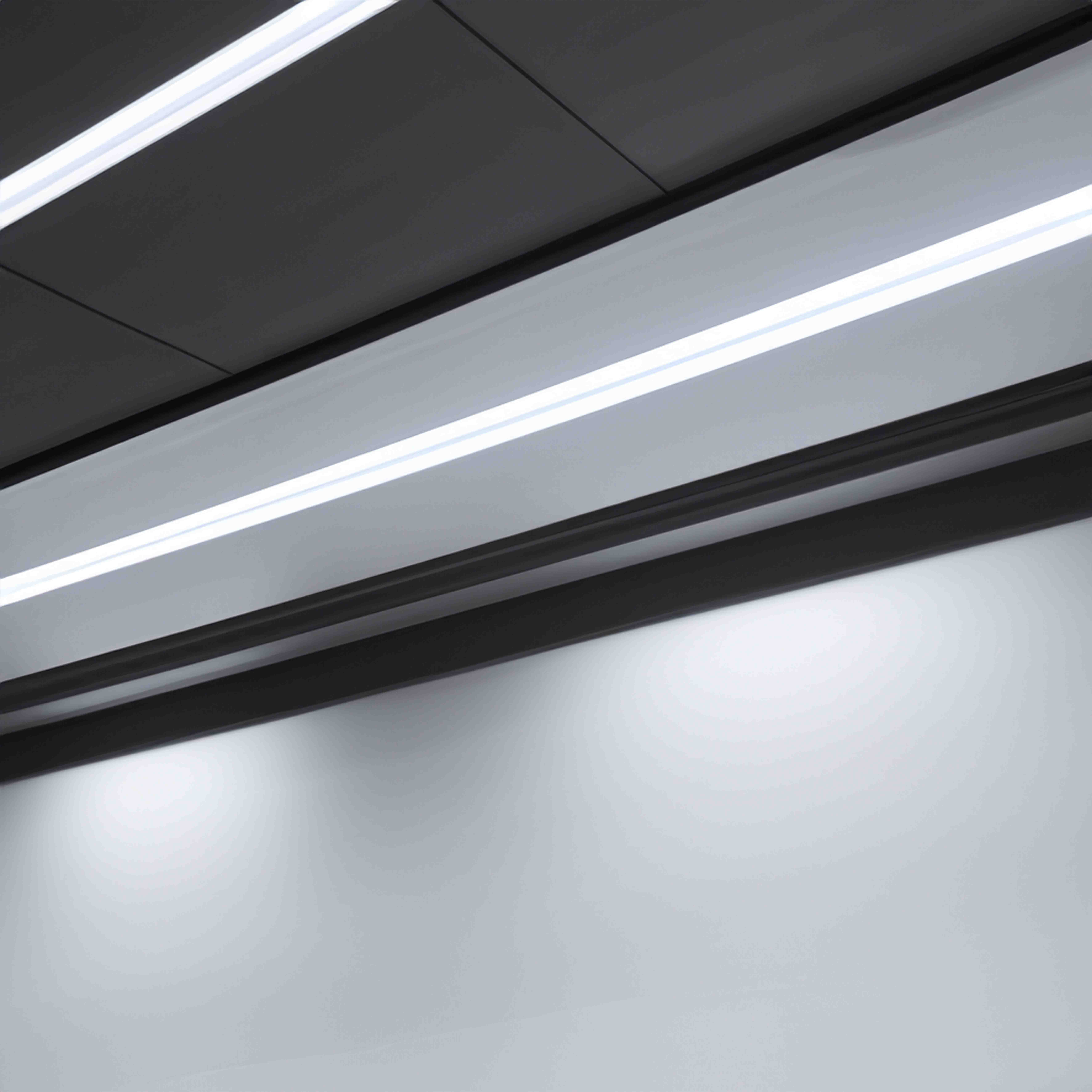
LEDs are inherently directional light sources, meaning they emit light in a specific direction without the need for external reflectors or diffusers. This directional nature allows LEDs to focus light more precisely on the intended target area, minimizing light wastage and maximizing illumination efficiency. In contrast, traditional bulbs emit light in all directions, requiring additional accessories to control and direct the light output effectively. By optimizing light distribution, LEDs ensure that more of the generated light serves its intended purpose, further enhancing energy efficiency.
In conclusion, LEDs shine brightly as power-saving champions due to their high energy conversion efficiency, reduced heat generation, longevity and durability, and optimized light distribution. By harnessing the power of LEDs, individuals and organizations can significantly reduce their energy consumption, lower operating costs, and contribute to a more sustainable future. As we continue to prioritize energy efficiency and environmental stewardship, the widespread adoption of LEDs serves as a beacon of hope, illuminating the path towards a brighter and more sustainable world.