

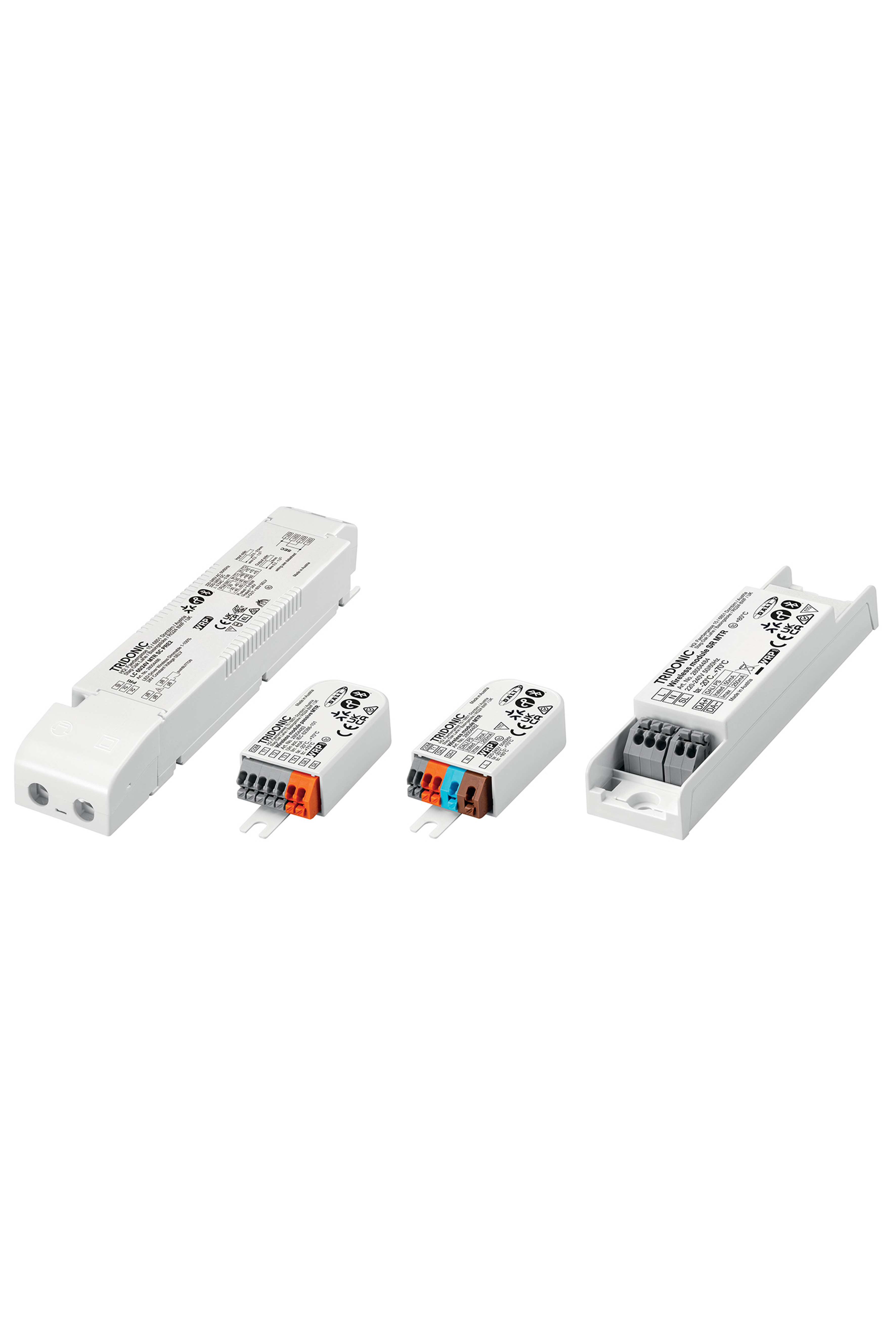
In the realm of lighting control systems, the Digital Addressable Lighting Interface (DALI) has long been revered for its versatility, reliability, and efficiency. Now, with the introduction of the DALI-2 dimming protocol, the landscape of lighting control is poised for yet another revolution. In this blog post, we'll explore the features and benefits of the new DALI-2 standard and delve into how it's poised to shape the future of lighting control in commercial and residential spaces.
1. Enhanced Interoperability and Compatibility
DALI-2 represents a significant leap forward in terms of interoperability and compatibility compared to its predecessor. With DALI-2, manufacturers are required to adhere to strict compliance standards, ensuring that devices from different vendors can communicate seamlessly with one another. This interoperability not only simplifies system integration but also expands the range of compatible devices, giving users greater flexibility in designing and expanding their lighting systems.
2. Expanded Functionality and Flexibility
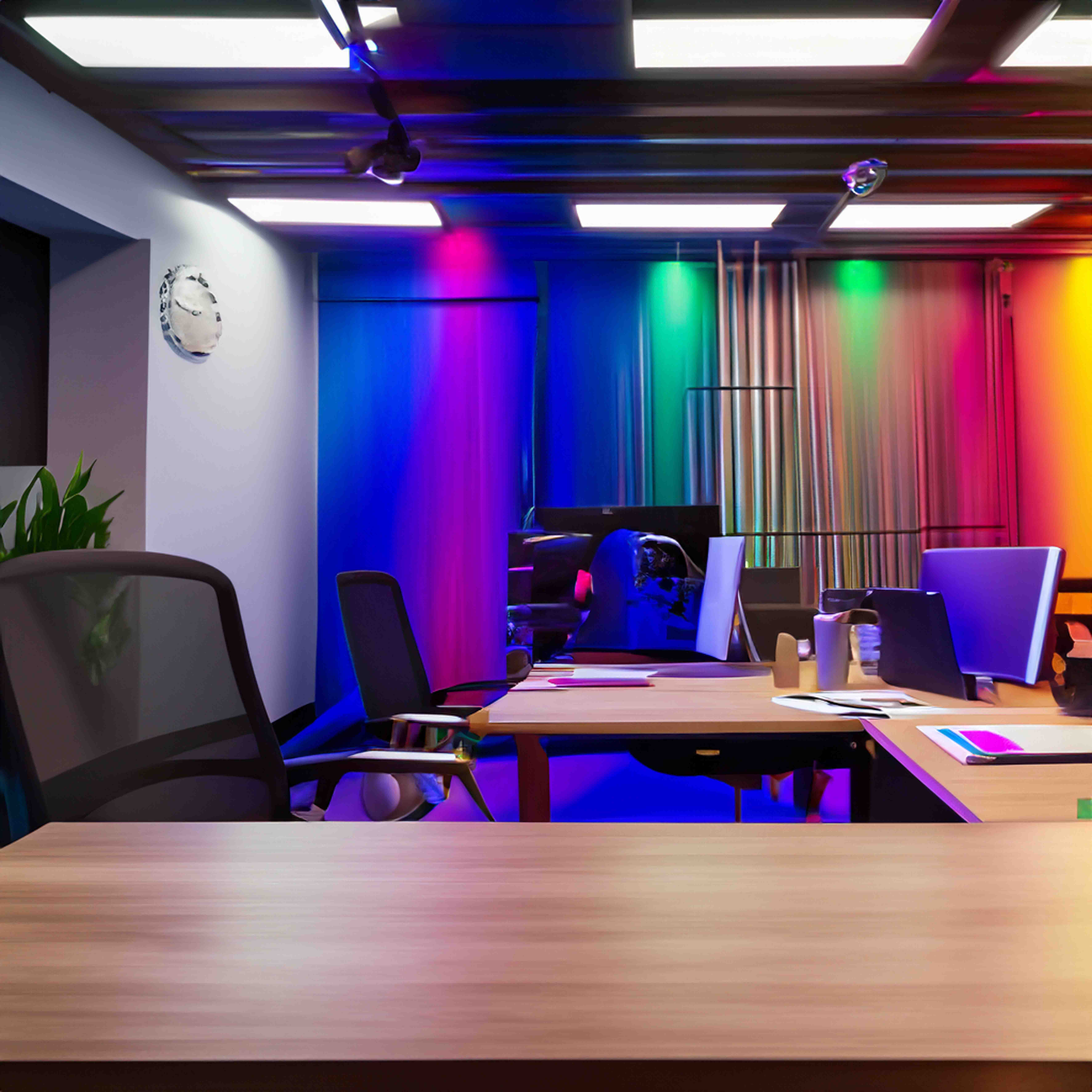
One of the key features of DALI-2 is its support for a wider range of lighting control functions and devices. In addition to traditional dimming capabilities, DALI-2 introduces new features such as color control, tunable white lighting, and advanced scene management. This expanded functionality enables users to create more dynamic and customizable lighting environments tailored to their specific needs and preferences. Whether it's adjusting colour temperature for circadian lighting or creating immersive lighting scenes for architectural accentuation, DALI-2 provides the tools to unlock endless creative possibilities.
3. Improved Energy Efficiency and Sustainability
DALI-2 offers enhanced energy efficiency and sustainability through its support for advanced control strategies such as daylight harvesting and occupancy sensing. By dynamically adjusting light levels based on natural light availability and occupancy patterns, DALI-2 systems can optimize energy usage without compromising visual comfort or safety. This intelligent control not only reduces electricity consumption and operating costs but also contributes to a greener and more environmentally responsible built environment.
4. Streamlined Commissioning and Maintenance
Another advantage of DALI-2 is its simplified commissioning and maintenance processes. With standardized commissioning procedures and diagnostic capabilities, DALI-2 systems are easier to install, configure, and troubleshoot. This streamlines the deployment of lighting control systems and reduces the time and effort required for ongoing maintenance and support. Whether it's adding new devices, reconfiguring system settings, or diagnosing potential issues, DALI-2 empowers users and technicians with the tools they need to ensure smooth operation and optimal performance.
In conclusion, the introduction of the DALI-2 dimming protocol marks a significant milestone in the evolution of lighting control technology. With its enhanced interoperability, expanded functionality, improved energy efficiency, and streamlined commissioning processes, DALI-2 is poised to revolutionize the way we illuminate and control our spaces. Whether it's enhancing user comfort, maximizing energy savings, or unleashing creative lighting designs, DALI-2 empowers users with the tools they need to achieve their lighting goals. As the adoption of DALI-2 continues to grow, the future of lighting control looks brighter than ever before.