

Light Emitting Diodes (LEDs) have revolutionized the way we illuminate our world. From energy-efficient bulbs in our homes to vibrant displays in urban landscapes, LEDs have become synonymous with innovation and sustainability. As technology continues to evolve, so does LED technology, offering even more exciting possibilities for the future. In this blog post, we'll delve into some of the latest developments in LED technology that are poised to shape the way we light up our lives.
1. Quantum Dots: Pushing the Boundaries of Color Accuracy
One of the most significant advancements in LED technology is the integration of quantum dots. These microscopic semiconductor particles can be tuned to emit precise colors when stimulated by an external light source. By incorporating quantum dots into LED displays, manufacturers can achieve a wider color gamut and enhanced color accuracy, resulting in more lifelike images and videos. This breakthrough holds immense potential for applications such as high-definition televisions, digital signage, and medical imaging systems.
2. Miniaturization: Shrinking LEDs for Greater Flexibility
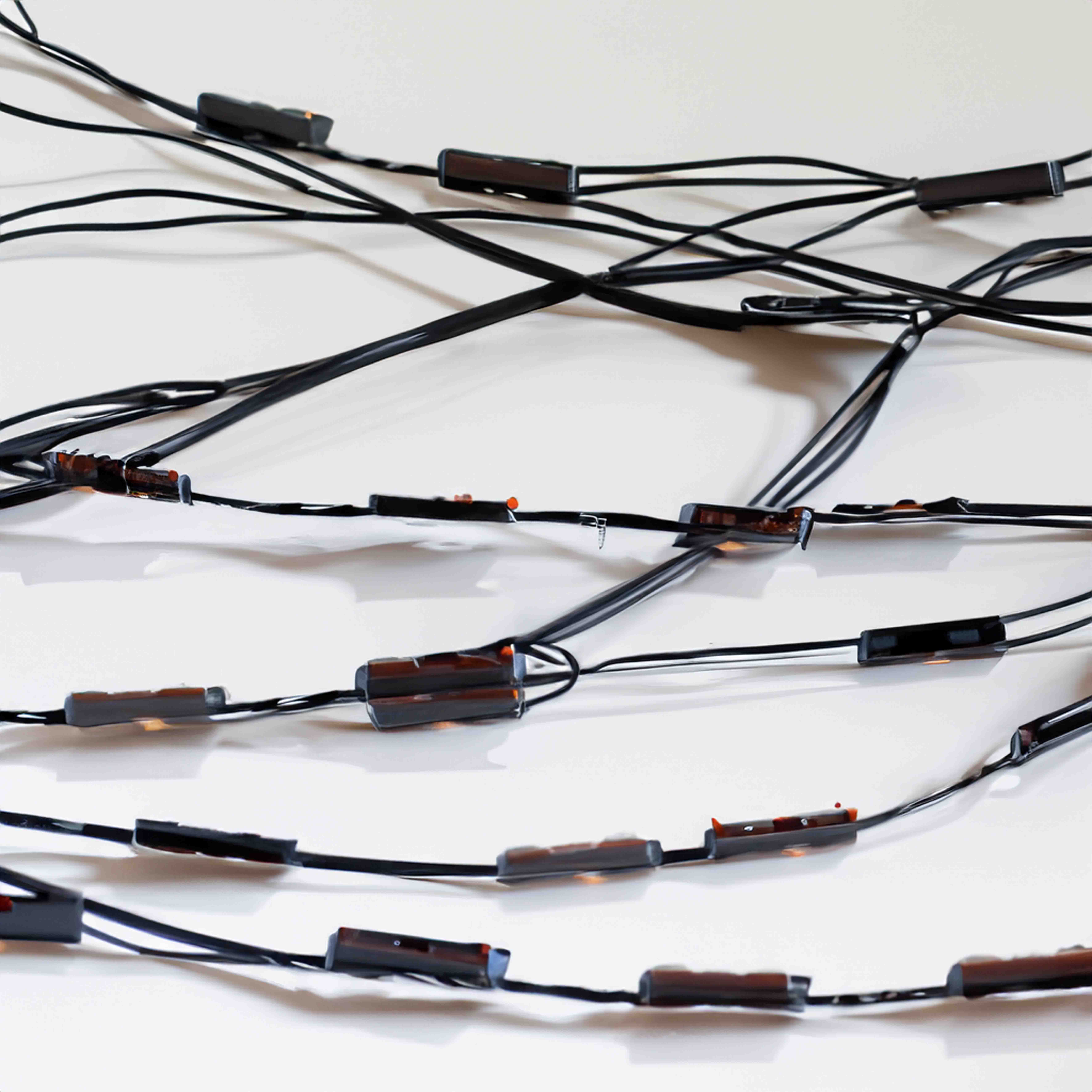
Miniaturization has long been a driving force behind technological progress, and LED technology is no exception. Researchers and engineers are constantly finding ways to make LEDs smaller and more compact without sacrificing performance. These miniature LEDs open up a world of possibilities for innovative lighting solutions, from wearable devices and smart clothing to ultra-thin displays and embedded lighting in architectural designs. The ability to integrate lighting into virtually any surface or object paves the way for more immersive and interactive experiences in various industries.
3. Li-Fi: Harnessing Light for High-Speed Wireless Communication
While LEDs are primarily known for their illumination capabilities, they also hold promise as a means of data transmission. Li-Fi, or Light Fidelity, is a wireless communication technology that utilizes LED lights to transmit data at incredibly high speeds. By modulating the intensity of LED light signals imperceptibly, Li-Fi can achieve data transfer rates rivaling those of traditional Wi-Fi networks. This breakthrough could revolutionize the way we connect to the internet, especially in environments where radio frequency interference is a concern, such as hospitals, aircraft, and underground tunnels.
4. Smart Lighting: Integrating LEDs with IoT Technology
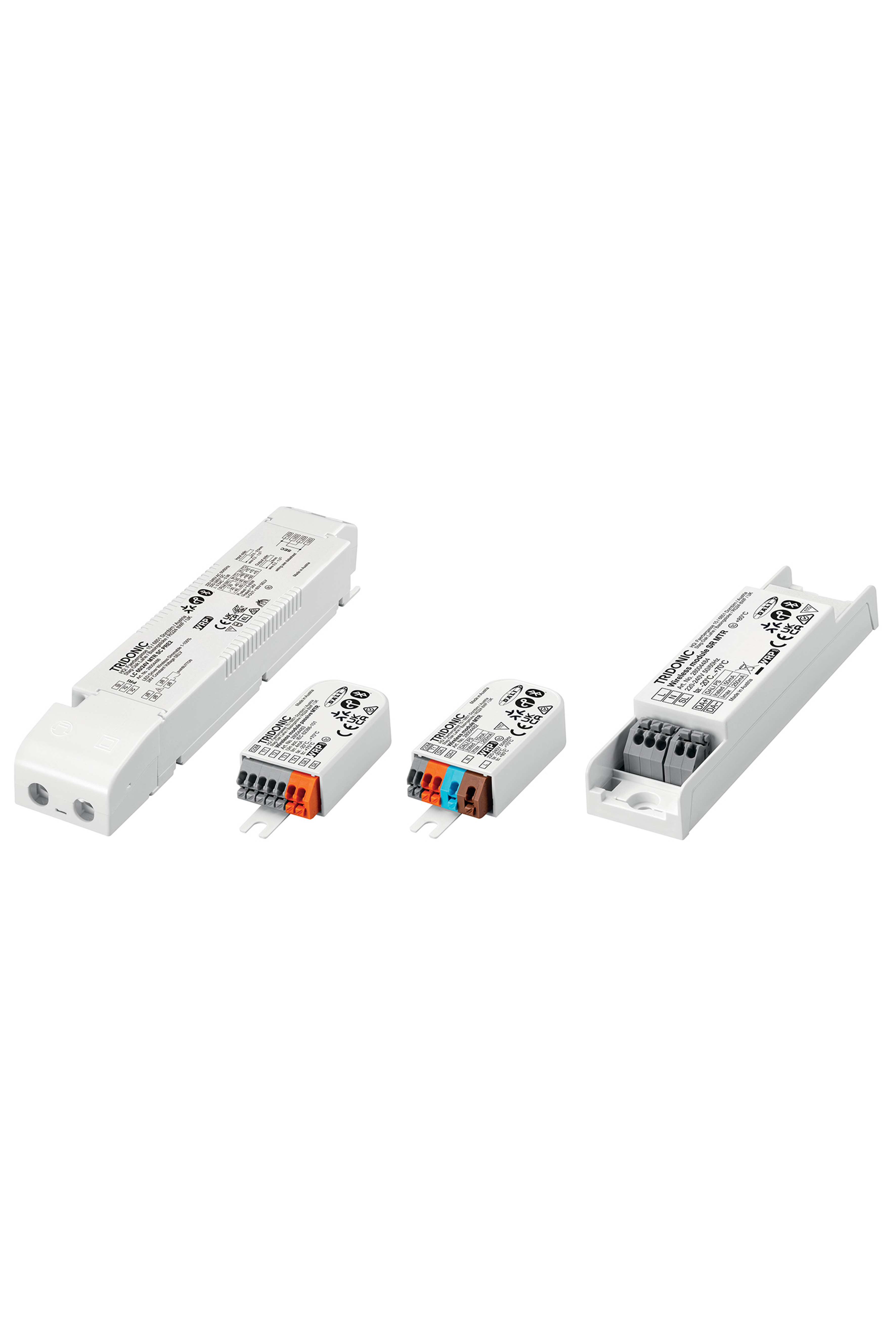
The rise of the Internet of Things (IoT) has paved the way for interconnected devices that can communicate and collaborate seamlessly. In the realm of lighting, smart LEDs are taking center stage, offering enhanced functionality and energy efficiency. These intelligent lighting systems can be controlled remotely via smartphone apps or voice commands, allowing users to adjust brightness, color temperature, and scheduling according to their preferences. Furthermore, smart LEDs can integrate with other IoT devices to create dynamic environments that respond to user behavior, environmental conditions, and even circadian rhythms.
As we look ahead to the future of LED technology, the possibilities seem boundless. From quantum dots and miniaturization to Li-Fi and smart lighting, these developments promise to transform not only how we illuminate our surroundings but also how we interact with the world around us. By embracing these innovations, we can illuminate tomorrow with greater efficiency, flexibility, and connectivity than ever before.